

Just send us your questions or concerns by starting a new case &
we will give you the help you need. Start Here...
BIS Hallmark
Wed, Aug 19 2026
Raju Karn
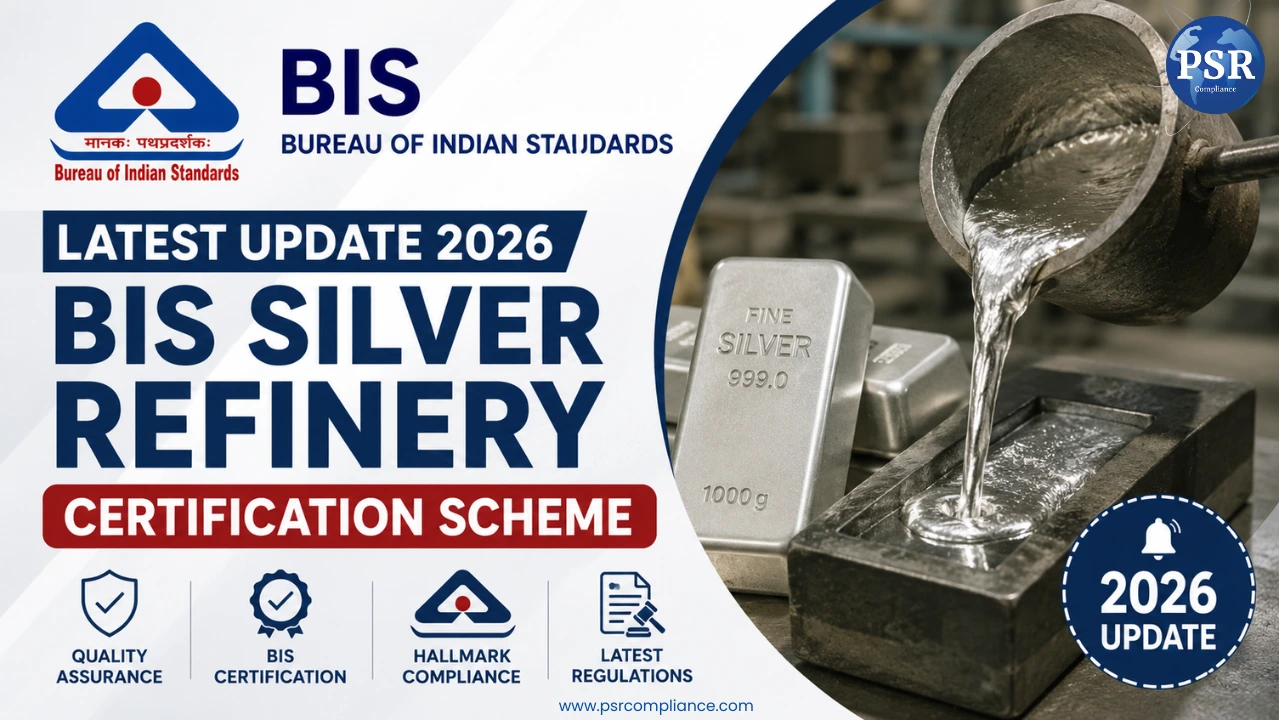
BIS Silver Refinery Certification Scheme 2026: Requirements, Process & Latest Update
The Bureau of Indian Standards (BIS) is preparing a proposed Silver Refinery Certification Scheme, which could bring silver refining under a dedicated quality and certification framework similar to the existing BIS certification arrangement for gold refineries. The proposed initiative is important for India's bullion and precious-metals industry because it could introduce a more structured system for quality assurance, testing, traceability and certification of refined silver bullion and coins.
However, one point is important for businesses to understand: the Silver Refinery Certification Scheme is currently under development and should not be treated as an already-launched mandatory certification requirement. BIS held a stakeholder consultation on 4 June 2026 with industry representatives, laboratories, refineries and other stakeholders to discuss the proposed framework and its implementation.
What Is the Proposed BIS Silver Refinery Certification Scheme?
The proposed scheme is intended to establish a dedicated BIS certification framework for silver refineries. BIS already has a refinery/mint certification framework for gold bullion and coins, while silver is covered under the broader hallmarking framework for applicable jewellery and artefacts. The proposed initiative would create a more specific certification mechanism focused on the quality and conformity of refined silver produced by refineries.
If implemented, the scheme could establish defined requirements for silver fineness, testing, inspection, refinery processes, marking, documentation and continuing surveillance. This would provide buyers and businesses with an additional mechanism to assess the quality and reliability of silver supplied by certified refineries.
Why Is BIS Planning a Silver Refinery Certification Scheme?
India has a large and growing silver market involving refineries, bullion dealers, jewellers, manufacturers, institutional buyers and investors. As the importance of refined silver increases, a structured certification framework could help create greater confidence in the purity and quality of silver entering organized markets.
The proposal also follows discussions with industry stakeholders. During the 4 June 2026 stakeholder consultation, BIS discussed the proposed certification framework and received feedback from silver refinery associations, Assaying & Hallmarking Centres, MCX, leading refineries and other participants. The consultation highlighted the industry's interest in a dedicated framework for silver refineries.
Is Silver Refinery Certification Mandatory Right Now?
No. The proposed dedicated Silver Refinery Certification Scheme should not currently be treated as a mandatory certification requirement. BIS is still working on the framework, technical requirements and operational procedures. Therefore, silver refineries should not assume that they are already required to obtain a new BIS Silver Refinery Certificate merely because the proposed scheme has been announced.
Businesses should continue following the BIS requirements that are already applicable to their products and activities while monitoring official BIS notifications regarding the proposed scheme. Once BIS formally publishes the final framework and implementation requirements, refiners can assess whether and when certification will apply to their operations.
What Happened at the 4 June 2026 Stakeholder Consultation?
BIS's Hallmarking Department organized a stakeholder consultation on 4 June 2026 at BIS Headquarters, New Delhi to discuss the proposed Silver Refinery Certification Scheme. Representatives from silver refinery associations, Assaying & Hallmarking Centres, MCX, major refineries and other stakeholders participated in the consultation and provided feedback on the proposed framework.
The discussion covered important areas such as silver fineness grades, testing methods, marking provisions, certification requirements, inspection procedures and surveillance mechanisms. BIS also discussed its experience with the existing Gold Refinery Certification Scheme and considered how a similar but silver-specific framework could be developed.
What Standards and Regulations Are Relevant?
The proposed framework is expected to operate within India's existing BIS standards and hallmarking ecosystem. The BIS (Hallmarking) Regulations, 2018 provide the regulatory foundation for hallmarking-related activities, including provisions concerning jewellers, Assaying & Hallmarking Centres and refinery licensing. Silver is also covered by relevant Indian Standards relating to fineness, marking and assaying.
BIS's existing information identifies IS 2112 for silver and silver alloys and IS 2113 for methods of assaying silver and silver alloys. The proposed refinery certification framework will need to align with the applicable technical standards and testing requirements, although refiners should wait for the final BIS scheme before relying on specific future compliance requirements.
What Is IS 2112 and Why Does It Matter?
IS 2112 is an Indian Standard associated with silver and silver alloys, including requirements relating to fineness and marking. It is relevant to the broader silver hallmarking and quality framework and provides technical reference points for silver products.
For silver refineries, the standard is important because the proposed certification framework will need to establish clear requirements for determining and demonstrating the purity of refined silver. However, silver refinery certification and silver hallmarking are not the same thing and should be treated as separate compliance concepts.
How Is BIS Preparing for the New Scheme?
BIS is working on several areas required to support the proposed certification system, including laboratory capacity, testing methods, inspection requirements, operational guidelines and digital infrastructure. These components will be important because certification of high-purity silver requires reliable and consistent testing procedures.
The proposed framework is therefore expected to go beyond simply issuing a certificate. It may establish requirements covering refinery operations, testing facilities, sampling, documentation, inspection and ongoing surveillance so that the quality demonstrated at the time of certification continues to be maintained during production.
Development of Testing and Laboratory Capacity
Accurate testing is one of the most important elements of silver refinery certification. BIS is working on laboratory capacity for high-purity silver testing and has discussed analytical techniques including Gravimetric analysis, SPARK OES and ICP-OES.
These testing methods can help determine the composition and fineness of silver with a high level of accuracy. Appropriate laboratory infrastructure will therefore be important for ensuring consistency between refinery testing, independent assessment and the final certification process.
Development of Scheme of Inspection and Testing
A formal certification system requires clearly defined inspection and testing procedures. BIS is working on a Scheme of Inspection and Testing (SIT) along with operational guidelines that would establish how certified refineries are assessed and how continuing conformity is monitored.
The eventual framework could cover areas such as sampling procedures, testing frequency, production controls, records and surveillance. However, the exact requirements should be confirmed only after BIS publishes the final scheme and applicable guidelines.
Review of Relevant Standards
BIS is also reviewing the standards and technical requirements relevant to silver refining, bullion and related products. This is important because the final certification framework needs to be technically consistent with India's existing standards for silver purity, testing and marking.
Silver refiners should therefore keep track of amendments, revisions and new BIS notifications rather than relying on unofficial summaries of the proposed scheme. Requirements may change before the final framework becomes operational.
Silver Refinery Module on Manakonline
BIS is also working on a proposed Silver Refinery Module on the Manakonline portal. The module is intended to support functions associated with the proposed certification framework, such as licensing, renewal, surveillance-related activities and fee payments.
A dedicated digital module could make the eventual application and compliance process more structured for silver refineries. However, businesses should wait for BIS to announce the module's official operational status and final functionality.
How Is This Different From BIS Gold Refinery Certification?
BIS already operates a refinery/mint certification arrangement for gold bullion and gold coins. Under the existing framework, gold refineries must meet specified technical, manufacturing and testing requirements and remain subject to continuing compliance requirements. The proposed silver framework follows a similar broad concept of refinery-level quality assurance.
However, silver refining has its own technical and market considerations, so businesses should not assume that the final silver certification requirements will be identical to those applicable to gold. BIS is developing the silver framework separately and is expected to establish silver-specific requirements for testing, fineness, marking, inspection, surveillance and certification.
What Could the New Scheme Mean for Silver Refineries?
If implemented, the proposed scheme could have a significant impact on silver refiners by introducing a more formal mechanism for demonstrating the quality and conformity of refined silver. A BIS certification could potentially strengthen the refinery's credibility among bullion dealers, jewellers, institutional buyers and organized markets while also improving traceability and quality assurance.
At the same time, certification would likely increase compliance responsibilities. Refineries may need appropriate testing facilities, calibrated equipment, documented processes, trained personnel, production records and systems for maintaining continuing conformity with BIS requirements.
Potential Benefits for Silver Refineries
- Greater quality assurance for refined silver.
- Improved buyer confidence in silver purity and conformity.
- Better traceability of refined silver batches.
- Stronger market credibility for certified refineries.
- Potential access to organized bullion markets.
- More standardized testing and quality-control practices.
What Should Silver Refiners Do Right Now?
Since the proposed scheme is still under development, silver refiners should focus on preparation rather than assuming immediate mandatory certification. Businesses can review their existing refining, testing and documentation systems and identify areas that may require improvement before the final framework becomes operational.
A practical preparation checklist includes:
- Review the existing silver refining process.
- Maintain proper production and batch records.
- Review in-house testing capabilities.
- Check calibration of testing equipment.
- Maintain assay and laboratory reports.
- Maintain raw-material and supplier records.
- Review applicable Indian Standards.
- Keep factory and business documentation updated.
- Monitor official BIS notifications.
- Assess potential laboratory and infrastructure requirements.
Early preparation can make it easier for a refinery to respond when the final certification framework is officially notified.
What Will the Final Certification Process Look Like?
The final certification process has not yet been officially established because BIS is still developing the scheme. However, a refinery certification framework could generally involve eligibility assessment, preparation of technical infrastructure, application, testing, inspection, certification, surveillance and renewal.
A likely compliance roadmap could include:
- Determine refinery eligibility
- Review applicable BIS standards
- Prepare testing and manufacturing infrastructure
- Prepare technical and business documents
- Submit the application through the designated BIS system
- Undergo testing and assessment
- Complete inspection requirements
- Obtain the BIS certification/licence
- Maintain continuing compliance
- Complete surveillance and renewal requirements
The exact process, fees, documents and technical requirements should be confirmed once BIS formally publishes the final certification scheme.
Silver Refinery Certification vs Silver Hallmarking
| Silver Refinery Certification | Silver Hallmarking |
|---|---|
| Focuses on the refinery and refined silver | Focuses on applicable precious-metal articles |
| Proposed dedicated certification framework | Existing hallmarking framework |
| Intended to establish refinery-level quality assurance | Determines and communicates purity/conformity |
| Framework is currently under development | Already operational for applicable silver articles |
| Final requirements are yet to be published | Governed by existing BIS requirements |
Understanding this difference is important because compliance with one requirement does not automatically mean that all other applicable BIS requirements have been fulfilled.
What Does This Update Mean for Consumers?
For consumers, a formal Silver Refinery Certification Scheme could provide an additional layer of confidence in the quality and traceability of silver entering the market. A structured certification framework may also encourage more standardized testing and documentation across the refining industry.
However, consumers should not interpret the proposal as meaning that every silver bullion product currently available in India has been certified under the proposed scheme. The framework is still being developed, and its actual impact will depend on the final BIS notification and implementation requirements.
What Does This Mean for Bullion Traders and Jewellers?
Bullion traders and jewellers could potentially benefit from improved transparency regarding the source and quality of refined silver. A recognized refinery certification system may help businesses establish clearer quality expectations when selecting suppliers and sourcing refined silver.
Businesses should nevertheless continue complying with the existing BIS hallmarking and other applicable regulatory requirements. The proposed refinery scheme should be viewed as a potential additional layer of quality assurance rather than a replacement for existing compliance obligations.
Conclusion
The proposed BIS Silver Refinery Certification Scheme 2026 represents an important development for India's silver refining and bullion industry. The initiative could establish a dedicated framework for testing, quality assurance, certification, marking, traceability and surveillance of silver refineries, broadly building on BIS's experience with gold refinery certification.
However, the scheme is still under development and should not currently be treated as a launched mandatory certification requirement. BIS is working on testing infrastructure, operational guidelines, relevant standards and the proposed Manakonline Silver Refinery Module following the stakeholder consultation held on 4 June 2026.
For silver refiners, this is the right time to review their testing capabilities, technical infrastructure, production records and documentation and stay updated with official BIS notifications. Early preparation can help businesses adapt more efficiently once the final certification framework is formally announced.
Get Professional Help With BIS Silver Refinery Compliance
Preparing Your Silver Refinery for Upcoming BIS Requirements?
Planning to understand how the proposed BIS Silver Refinery Certification Scheme may affect your refinery?
PSR Compliance can help you understand the applicable BIS requirements, review your documentation, identify potential compliance gaps and prepare your business for the certification process as the new framework develops.
📞 Call: 8796104190
📧 Email: support@psrcompliance.com
Frequently Asked Questions
1. Has BIS launched the Silver Refinery Certification Scheme?
No. The dedicated Silver Refinery Certification Scheme is currently being developed. BIS held a stakeholder consultation on 4 June 2026 to discuss the proposed framework, technical requirements and implementation approach.
2. Is Silver Refinery Certification mandatory in India right now?
The proposed dedicated Silver Refinery Certification Scheme should not currently be treated as a mandatory requirement. Businesses should monitor official BIS notifications and continue complying with the BIS requirements that already apply to their specific products and activities.
3. Why is BIS introducing a Silver Refinery Certification Scheme?
The proposed scheme is intended to strengthen quality assurance, testing, traceability and market confidence in refined silver. It could also help establish a more organized certification framework for domestic silver refineries.
4. Which standards are relevant to silver?
BIS's existing hallmarking information identifies IS 2112 for silver and silver alloys and IS 2113 for methods of assaying silver and silver alloys. The final Silver Refinery Certification Scheme may establish additional or specific requirements based on the applicable standards.
5. Will silver refineries need testing facilities?
Testing is expected to be an important part of the proposed certification framework. BIS has discussed testing capabilities involving methods such as Gravimetric analysis, SPARK OES and ICP-OES for high-purity silver testing.
6. Will the Silver Refinery Certification Scheme be available online?
BIS is developing a proposed Silver Refinery Module on the Manakonline portal for functions such as licensing, renewals, surveillance-related activities and fee payments. The final operational details will depend on BIS's implementation of the scheme.
7. Is silver jewellery already covered by BIS hallmarking?
Yes. BIS's existing hallmarking framework covers applicable silver jewellery and artefacts. The proposed Silver Refinery Certification Scheme is different because it is intended specifically for silver refineries and refined silver.
8. When will the final Silver Refinery Certification Scheme become effective?
A final effective date should be confirmed through an official BIS notification. Since the framework is still being developed, silver refiners should not rely on unofficial dates or treat the proposal as an already-operational mandatory certification.