Mon, Mar 02 2026
Raju Karn
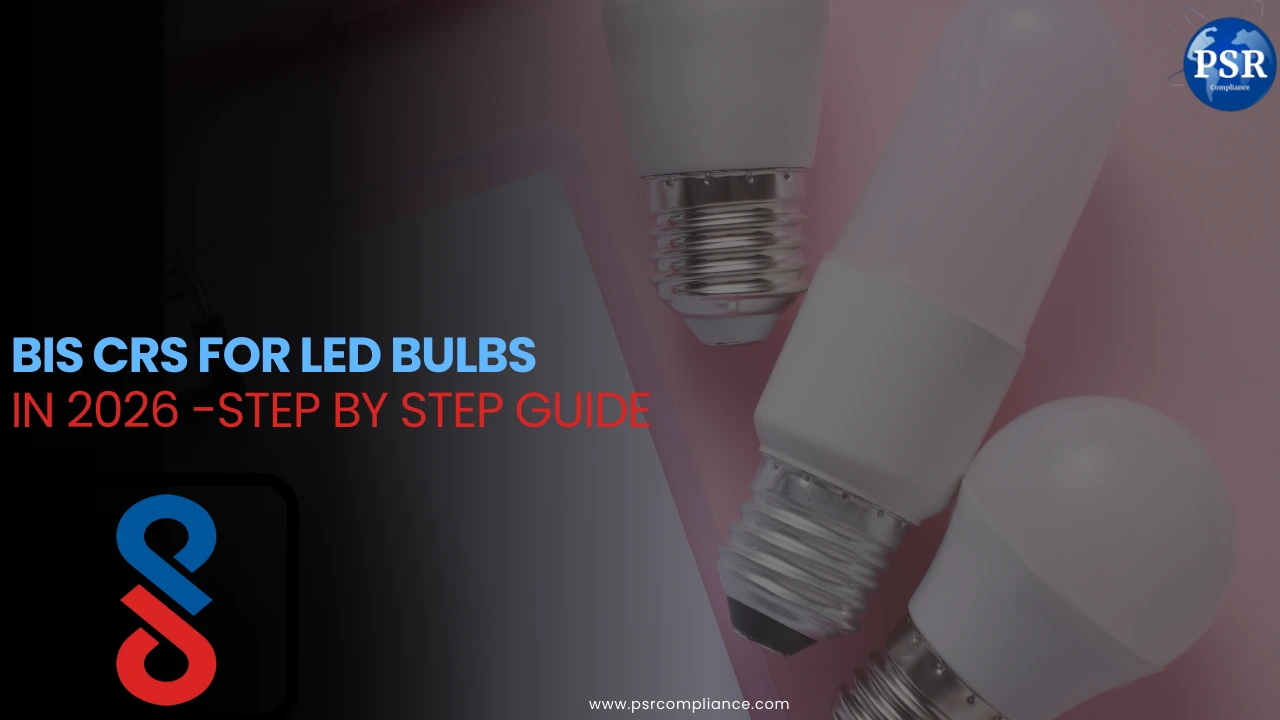
BIS CRS for LED Bulbs in 2026 – Step by Step Guide for Manufacturers, Importers & Sellers
LED bulbs have become a part of everyday life. We use them at home, in offices, in shops, and even on streets. They save electricity, last longer, and give better lighting compared to old bulbs. But before any LED bulb can be sold in India, it must follow certain safety and quality rules.
This is where BIS CRS certification becomes important.
Many business owners think they can simply manufacture or import LED bulbs and start selling them. But in reality, selling LED bulbs without approval is not allowed. In 2026, rules are being followed more strictly, and authorities regularly check whether lighting products are properly certified.
If you want to manufacture, import, or sell LED bulbs in India, this guide will help you understand everything in simple language — what BIS CRS is, why it is required, who needs it, and how to get it step by step.
What is BIS CRS Certification?
BIS CRS stands for Compulsory Registration Scheme. It is a product approval system introduced by the Bureau of Indian Standards to make sure certain electronic and electrical products are safe to use.
Under this scheme, manufacturers must test their products in approved laboratories. Only when the product meets required safety and quality standards can it be registered and sold in India.
LED bulbs come under this scheme because they are electrical items used daily by millions of people. If they are poorly made, they can cause electric shocks, overheating, or fire risks. So the government requires testing and certification before these products reach consumers.
Why LED Bulbs Need BIS CRS Certification
You might wonder — why only LED bulbs? Why not allow anyone to sell them freely?
The answer is simple: safety and quality control.
LED bulbs may look simple, but they contain electrical components that must work properly. Poor-quality products can:
● Overheat or burn out quickly
● Consume more electricity than expected
● Cause short circuits
● Fail suddenly and create safety risks
To prevent these problems, certification ensures that every approved LED bulb meets fixed technical standards.
In 2026, compliance checks are stronger than before. Authorities inspect markets, warehouses, and imports. Products without certification can be seized immediately.
Who Must Get BIS CRS Certification for LED Bulbs?
If you are involved in the LED bulb business, this rule likely applies to you.
You need certification if you are:
✔ Manufacturing LED bulbs in India
✔ Importing LED bulbs from another country
✔ Selling LED bulbs under your brand name
✔ Running an online store selling LED lighting
✔ Distributing lighting products to retailers
Even if you don’t manufacture the product yourself, but sell it under your brand, you are responsible for certification.
Which LED Products Come Under BIS CRS?
Certification is required for many types of LED lighting products, such as:
➤ Self-ballasted LED lamps for general lighting
➤ LED modules
➤ Integrated LED fixtures
➤ Smart LED bulbs
➤ LED drivers used in lighting systems
Each model must be tested separately. If you have different wattages or designs, each may require its own registration.
Benefits of BIS CRS Certification

Some businesses think certification is just a legal burden. But actually, it gives many benefits.
1. Legal Permission to Sell
Without certification, selling LED bulbs is illegal. Registration protects your business from penalties.
2. Builds Customer Trust
Buyers prefer certified products because they feel safer and more reliable.
3. Better Product Quality
Testing ensures your product performs well and lasts longer.
4. Easier Market Entry
Retailers, distributors, and large buyers often accept only certified products.
5. Business Reputation
Certification shows professionalism and compliance with standards.
Documents Required for BIS CRS Registration
To apply for certification, you need to submit certain documents. These help authorities verify your business and product details.
Commonly required documents include:
→ Business registration proof
→ GST registration
→ PAN card of company
→ Product technical details
→ Manufacturing unit information
→ Brand authorization letter (if applicable)
→ Test report from approved lab
→ Authorized signatory details
Providing accurate information is very important. Wrong or incomplete documents can delay approval.
Step-by-Step Process to Get BIS CRS Certification
Let’s understand the process in simple steps.
Step 1: Product Testing
First, you must send your LED bulb samples to a BIS-approved laboratory. The lab tests safety, performance, and electrical standards.
Step 2: Test Report
If the product passes testing, the lab gives a test report. This report proves that your product meets required standards.
Step 3: Online Application
Next, you submit an application with documents and test report.
Step 4: Verification
Authorities check your documents, product details, and compliance.
Step 5: Certificate Issued
If everything is correct, registration is granted. You can now sell your LED bulbs legally.
That’s the complete process.
BIS Marking Requirements
After approval, you must follow marking rules.
You must display:
▸ BIS CRS logo
▸ Registration number
▸ Required labeling details
This marking can be on the product or packaging.
Incorrect labeling can lead to penalties even if you have registration.
How Long Does Certification Take?
In most cases, the timeline looks like this:
- Testing: 10–20 days
- Application review: 10–15 days
- Approval: 15–25 days
- Total time: around 3 to 6 weeks.
If documents are incomplete, it may take longer.
Validity of BIS CRS Certification
Registration is usually valid for two years.
After that, renewal is required to continue selling the product legally.
What Happens If You Sell LED Bulbs Without Certification?
This is very important to understand.
If you sell uncertified LED bulbs, authorities can:
⚠️ Seize products
⚠️ Stop imports at customs
⚠️ Impose heavy fines
⚠️ Cancel business operations
⚠️ Take legal action
Many businesses face losses simply because they ignored certification requirements.
Common Mistakes Businesses Make
Many applications get delayed or rejected due to simple mistakes.
Common problems include:
▪️ Submitting wrong product category
▪️ Testing in non-approved labs
▪️ Mismatch in product specifications
▪️ Incomplete documentation
▪️ Wrong labeling format
These mistakes can waste time and money.
Tips to Avoid Delays
To make the process smooth:
✔ Test products only in approved labs
✔ Prepare documents carefully
✔ Check product specifications properly
✔ Ensure correct labeling
✔ Apply under correct product category
Planning ahead makes approval easier.
Real-Life Example
Imagine two LED bulb sellers.
Seller A gets BIS certification before selling. His products are accepted by retailers, customers trust his brand, and he grows quickly.
Seller B skips certification to save time. His products are seized during inspection, and he faces fines and business losses.
This shows why certification is important.
Why Rules Are Strict in 2026
In recent years, many low-quality lighting products entered the market. These caused safety risks and consumer complaints.
Because of this, authorities now monitor electrical products more closely. Import checks are stricter, and market inspections are frequent.
Businesses must follow compliance properly to avoid trouble.
Is BIS Certification Difficult to Get?
No, it is not difficult — but it must be done correctly.
If you follow proper steps, provide correct documents, and test products properly, approval is straightforward.
Most problems happen only when businesses try shortcuts.
Need help with BIS CRS certification for LED bulbs?
Get expert support from PSR Compliance and move forward with confidence.
📞 Call 8796104190 today to start your certification process.
FAQs on BIS CRS Registration for LED Bulbs
Is BIS certification mandatory for LED bulbs?
Yes, LED bulbs must be registered under the Compulsory Registration Scheme (CRS) of the Bureau of Indian Standards before sale in India.
Under which Indian Standard are LED bulbs covered?
LED bulbs are generally covered under IS 16102 (Part 1) for self-ballasted LED lamps.
Who needs BIS registration for LED bulbs?
Manufacturers (Indian and foreign), importers, and brand owners must obtain BIS CRS registration.
Is BIS required for imported LED bulbs?
Yes, imported LED bulbs must have a valid BIS registration before customs clearance.
How long does BIS CRS approval take for LED bulbs?
Approval typically takes around 15–30 working days after complete documentation submission.
What is the validity of BIS CRS for LED bulbs?
The registration is generally valid for two years and can be renewed.
Can multiple LED bulb models be covered under one license?
Yes, similar models meeting grouping guidelines can be covered under a single registration.
Is factory inspection mandatory under CRS for LED bulbs?
Factory inspection is usually not required initially but may occur during surveillance.
What marking is required on BIS-certified LED bulbs?
The BIS Standard Mark and Registration Number (R-number) must be printed on the product or packaging.
What happens if LED bulbs are sold without BIS certification?
Non-compliance can result in product seizure, penalties, and legal action.