Fri, Jan 02 2026
Raju Karn
Complete Guide to BIS Certification for Toys in India (2026 Process)
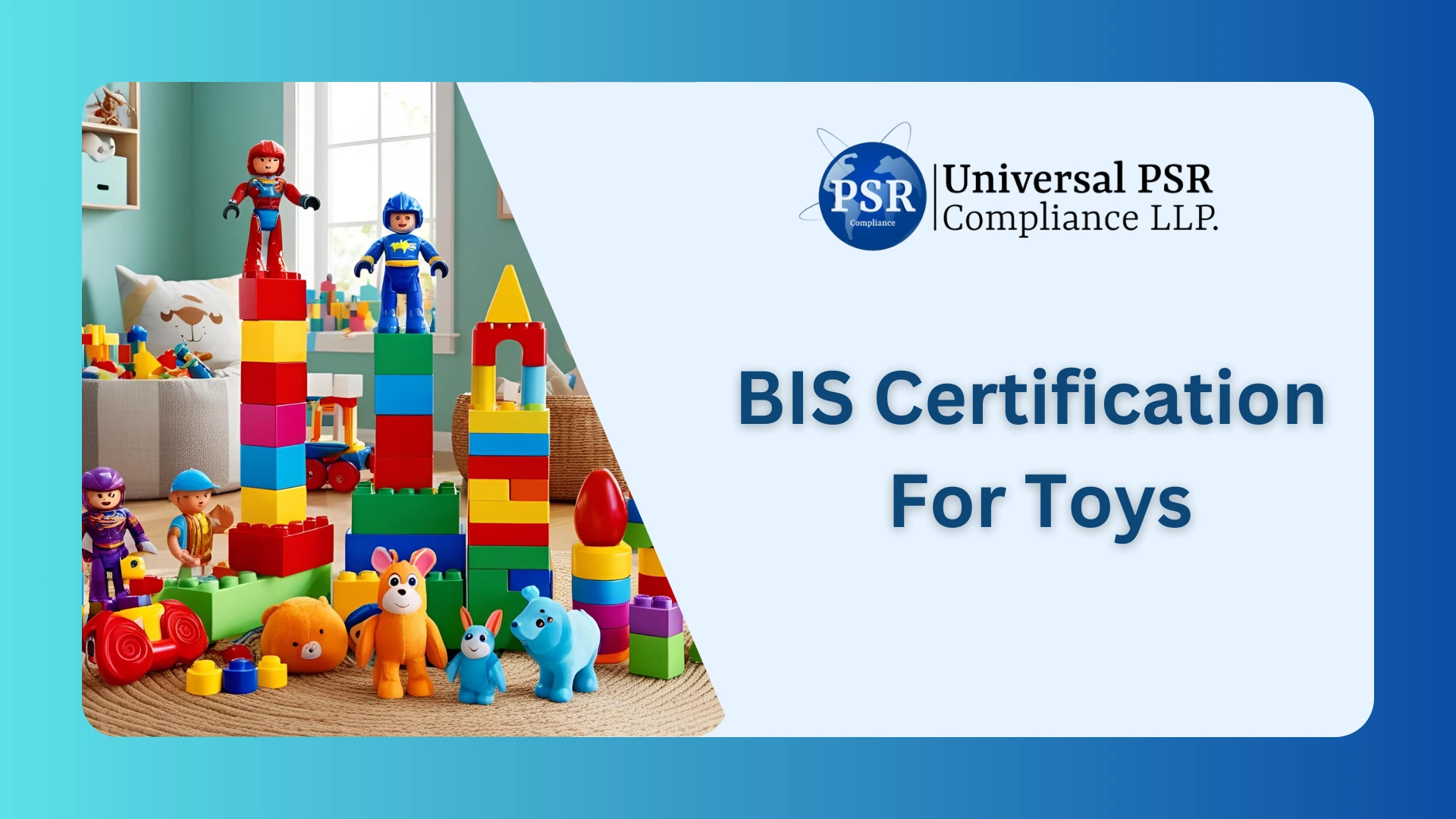
Toys are essential for a child’s learning and development, but safety must always come first. BIS certification for toys ensures that products sold in India meet strict safety standards. This protects children from hazards like toxic chemicals, choking risks, or sharp edges, giving parents confidence in the toys they buy.
To get BIS certification, manufacturers must submit product details, test reports, and quality management documents to the Bureau of Indian Standards (BIS). Certified toys comply with the law, gain consumer trust, and improve market credibility, making it easier for businesses to grow while keeping children safe.
What is BIS Certification for Toys?
BIS certification for toys is a way to make sure that toys sold in India are safe for children to use. The Bureau of Indian Standards, or BIS, is the government body that sets rules for quality, safety, and performance of products. For toys, these rules make sure that they are made from safe materials, do not have small parts that children could swallow, and are strong enough to handle normal play without breaking.
Every toy sold in India must follow these standards and carry the ISI mark. This mark shows that the toy has passed all safety checks and is legally allowed to be sold. BIS certification protects children from unsafe toys, gives parents peace of mind, and helps manufacturers sell products responsibly while following the law.
Why is BIS Certification for Toys Important?
BIS certification for toys is extremely important because it protects children and ensures that toys are safe and reliable. Toys are meant for play, learning, and development, but if they are poorly made or contain harmful materials, they can cause serious harm. BIS certification guarantees that every toy has passed strict safety tests before it reaches the market.
Some of the main reasons BIS certification is important include:
- ➜ Consumer Safety: BIS makes sure toys do not contain harmful chemicals, sharp edges, or small parts that children could swallow. This protects children while they play.
- ➜ Legal Compliance: BIS certification is mandatory for selling toys in India. Both local manufacturers and importers must comply, or they risk fines and legal action.
- ➜ Brand Trust: Toys that carry the ISI mark show parents and buyers that the product is safe and meets national standards. This builds confidence in the brand and encourages consumers to choose certified products over uncertified ones.
BIS Certification for Toys in India
| Category | Requirement / Standard | Purpose |
|---|---|---|
| Non-Electric Toys | IS 9873 (Parts 1–9) | Ensures toys are safe, non-toxic, and free from sharp edges or harmful materials |
| Electric Toys | IS 15644 | Ensures electrical safety, insulation, and protection from shock hazards |
| Plastic Toys | IS 9873 Part 2 | Checks chemical safety and ensures plastic is child-safe |
| Soft Toys | IS 9873 Part 4 | Ensures fabric safety, stitching quality, and prevents choking hazards |
| Wooden Toys | IS 9873 Part 7 | Ensures smooth finishing, no splinters, and safe material use |
| Chemical Toys (Slime, Modeling Clay) | IS 9873 Part 3 | Ensures non-toxic chemicals and safe composition for children |
| Ride-On Toys | IS 9873 Part 5 | Ensures stability, strength, and safety during movement |
| Educational Toys | IS 9873 Part 6 | Ensures learning toys are safe and free from harmful components |
| Manufacturing Compliance | Bureau of Indian Standards guidelines | Ensures factory follows quality control, testing, and safety certification norms |
Step-by-Step Process for BIS Certification for Toys:
Step 1: Understand the Applicable BIS Standard
Before applying, it’s important to know the rules your toys need to follow. In India, the main standard for toys is IS 9873. This standard has different parts, including safety for children under 14 years, physical and mechanical properties, and flammability. Knowing these rules helps ensure that your toy is designed and made safely.
Step 2: Apply for BIS Certification
Next, you need to submit your application to BIS through their online portal. You should provide all details about your toy, such as what it is made of, its design, and the age group it is meant for. Accurate information helps the application process move smoothly.
Step 3: Prepare the Required Documents
Certain documents are required for BIS certification. These include the manufacturer’s details, product specifications, test reports proving compliance with IS 9873 standards, and quality assurance certificates from the manufacturer. Having complete and correct documents reduces the chance of delays or rejection.
Step 4: Product Testing
The toy must be tested at a BIS-approved laboratory. The lab checks for safety, durability, and flammability to ensure the toy is safe for children. Only toys that meet all the required standards will move to the certification stage.
Step 5: Issuance of BIS Certification
After successful testing, BIS issues the certification along with the ISI mark. Once certified, you can legally sell the toy in India with the ISI mark displayed. This assures parents and buyers that the toy is safe, reliable, and compliant with national safety standards.
Cost and Timeline for BIS Certification:
| Item | Details |
|---|---|
| Cost | ₹30,000 to ₹1,50,000 (depends on toy type and lab testing) |
| Timeline | 3 to 6 months (including testing and documentation) |
Challenges to Keep in Mind
When applying for BIS certification for toys, manufacturers often face some common challenges. Being aware of these challenges can help ensure a smoother and faster approval process.
- Strict Compliance: Toys must meet all safety standards, including material safety, durability, and flammability. Failing to follow these rules can lead to delays or rejection of the application.
- Proper Documentation: All required documents, such as test reports, product specifications, and manufacturer details, must be accurate and complete. Missing or incorrect documents are a major reason for delays.
- Attention to Details: Small errors in labeling, age group instructions, or product design can also cause issues during inspection and testing.
By keeping these points in mind and preparing carefully, toy manufacturers can avoid unnecessary delays and ensure their products receive BIS certification efficiently.
How PSR Compliance Can Help
At PSR Compliance, we understand the complexities of the BIS certification process for toys. Our team can guide you through each step, ensuring your products are compliant with all Indian safety standards. Contact us today for a free consultation and take the first step towards obtaining your BIS certification.
Conclusion
Safety is non-negotiable when it comes to children's toys, and BIS certification under IS 9873 ensures that your products meet the highest safety standards. Compliance not only protects children but also boosts your brand reputation and market credibility.
At PSR Compliance, we simplify the BIS certification process for toys by offering expert consultation, documentation support, and seamless coordination with BIS authorities. Let's get your toys certified faster and safer!
If your product is electronic, you’ll need BIS approval before selling in India.
📞 8796104190
📧 support@psrcompliance.com
FAQs:
Q1. Do I need BIS certification for all types of toys?
- Yes, all toys sold in India need BIS certification to meet IS 9873 safety standards.
Q2. How long does the BIS certification process for toys take?
- The process typically takes 3 to 6 months, including testing and documentation.
Q3. What are the costs associated with BIS certification for toys?
- Costs can range from ₹30,000 to ₹1,50,000, depending on the product type and testing.