
Just send us your questions or concerns by starting a new case &
we will give you the help you need. Start Here...
GACC Registration
Fri, May 29 2026
Raju Karn
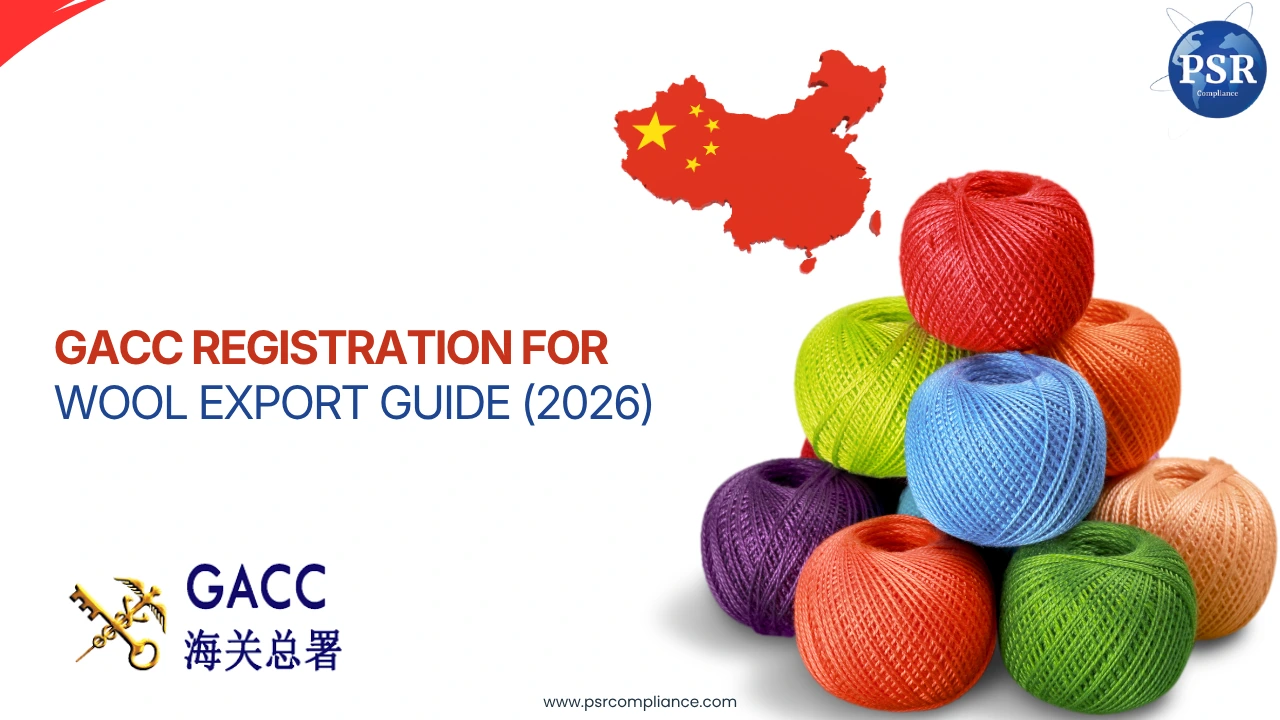
GACC Registration for Wool Export to China
India exports a large number of wool products to different countries every year. Cities like Panipat, Ludhiana, Bikaner, Bhadohi, and Kashmir are famous for making wool yarn, carpets, blankets, shawls, and other textile products. In recent years, many wool exporters have started hearing about GACC Registration because China has made its import rules stricter, especially for products connected to animal-based materials like wool.
Many exporters still do not clearly understand what GACC Registration actually is. Some people think it is only required for food products, while others are confused about whether processed wool items also come under these rules. Because of this lack of clear information, many businesses face problems like shipment delays, document errors, and export clearance issues. This guide explains GACC Registration for wool exports in very simple language so that traders, manufacturers, processors, and exporters can easily understand the process without confusion.
What is GACC Registration?
GACC stands for General Administration of Customs of China. It is a government department in China that checks products coming into the country from other nations. Its main job is to make sure imported goods follow Chinese rules, safety standards, and import requirements before they are allowed to enter the Chinese market.
Before approving imported products, GACC may check several important details, such as:
● Exporter and company information
● Product details and product category
● How the product is manufactured or processed
● Cleanliness and hygiene standards followed during production
● Traceability records to track the product source
● Packaging and labeling compliance according to Chinese rules
The purpose of these checks is to make sure products entering China are safe, properly documented, and meet all required standards.
Why is GACC Registration Important for Wool Export?
Since wool is an animal-based product, Chinese authorities check wool exports more carefully before allowing them into the Chinese market. During customs clearance, they may verify whether the wool products follow proper hygiene, processing, and traceability requirements. This is done to ensure the imported wool is safe, properly processed, and meets Chinese import standards.
Chinese customs authorities may check:
• Where the wool was sourced from
• How the wool was processed and cleaned
• Packaging and labeling standards
• Exporter and factory details
• Product traceability records
• Manufacturing or processing information
If proper compliance and documentation are not maintained, exporters may face several problems such as:
▪ Shipment delays
▪ Customs hold at ports
▪ Additional inspections
▪ Buyer complaints or rejection
▪ Import clearance issues
Because of these stricter checks in 2026, many wool exporters in India are now becoming more careful about GACC registration and export compliance before sending shipments to China.
Which Wool Products May Require Export Compliance?
The need for export compliance depends on several things, such as the type of wool product, how much processing has been done, the purpose of export, buyer requirements, and Chinese customs rules. Some products may require additional documents or registration before they can be exported to China. Because rules can change from time to time, exporters should always verify the latest import requirements before shipment to avoid delays or clearance problems.
| Wool Product Type | Simple Explanation |
|---|---|
| Raw Wool | Natural wool that has not been processed |
| Processed Wool | Wool that has been cleaned or treated |
| Wool Yarn | Thread made from wool for knitting or weaving |
| Wool Fabric | Wool cloth used for making garments |
| Wool Blankets | Blankets made using wool material |
| Wool Carpets | Carpets produced from wool fibers |
| Wool Shawls | Shawls and winter wear made from wool |
| Wool Textile Materials | Wool materials used in textile production |
| Animal Fiber Products | Products made from animal-based fibers |
Why Many Wool Exporters are Facing Problems in 2026
Many wool businesses in India are small companies or traditional family-run businesses. These businesses usually focus more on manufacturing products and completing export orders on time. Because of this, they may not always stay updated with changing international export rules and compliance requirements.
In many situations, exporters send shipments without checking the latest import regulations. Sometimes documents are incomplete, product categories are mentioned incorrectly, or shipment details do not properly match export records. These small mistakes can create big problems during customs clearance.
For wool exporters, proper documentation is very important because wool is connected to animal-origin products. Chinese customs authorities often inspect these products more carefully before allowing them into the country. Even a small paperwork error can lead to shipment delays, additional inspections, or clearance issues during export.
State-wise Wool Production & Export Clusters in India
| State | Key Wool Activities | Major Export/Industry Hubs | Known For |
|---|---|---|---|
| Rajasthan | Wool production, sheep rearing, carpet wool | Bikaner, Jodhpur, Jaipur | Largest wool producing state, carpet-grade wool |
| Jammu & Kashmir | Fine wool, pashmina, shawls | Srinagar, Anantnag | Premium shawls, fine wool, pashmina products |
| Punjab | Wool processing, textiles, blankets | Ludhiana, Panipat (nearby cluster influence) | Woollen blankets, garments, textile manufacturing |
| Haryana | Wool blending, fabric production | Panipat | Blankets, home textiles, wool blends |
| Uttar Pradesh | Carpets, handloom wool products | Bhadohi, Mirzapur | Carpet industry (global export hub) |
| Karnataka | Sheep wool production | Bengaluru region (limited processing) | Raw wool supply |
| Gujarat | Wool processing & textile industry | Ahmedabad | Mixed wool textiles & industrial fabrics |
| Maharashtra | Wool-based textile units | Mumbai, Solapur | Textile processing and exports |
Documents Usually Required for GACC Registration
The exact documents required for GACC registration may be different depending on the exporter, product type, and business category. However, most wool exporters commonly need the following documents and business details during the registration process:
→ GST Registration Certificate
→ Business Registration Certificate
→ Manufacturing or Processing Details
→ Exporter and Company Information
→ Product Description and Product Category
→ Packaging and Labeling Details
→ Factory Photographs
→ Production Flow or Manufacturing Process Information
→ Quality Control and Inspection Records
In some cases, exporters may also need to provide additional compliance documents, traceability records, or product-related certificates depending on Chinese import requirements..
Step-by-Step GACC Registration Process for Wool Exporters
Many wool exporters believe that GACC registration is a very complicated process. In reality, the process becomes much easier when the business documents, factory details, and product information are prepared correctly. Chinese authorities mainly want to verify that the exporter is genuine and that the wool products being shipped follow proper export and manufacturing standards.
Step 1 – Business and Factory Information
In the first step, the exporter needs to give basic details about the company and factory. This includes information like the business name, factory address, wool processing work, product details, and production records. These details help Chinese authorities understand the exporter’s business and how the wool products are made. All the information must match official documents, because even small differences can create problems later.
Step 2 – Product and Export Document Preparation
In this step, exporters must prepare all product and shipping-related documents carefully. The product name should be written clearly, and the correct wool category must be mentioned. Packaging details should also be accurate, and exporter information must match all shipping papers. If there are mistakes or missing details, it can lead to delays or customs checking issues.
Step 3 – Registration Submission
After preparing all documents, the exporter submits the registration through the official Chinese system. Once submitted, Chinese authorities start checking all the details. They review company information, wool product type, factory details, production process, and traceability records. This step is important to confirm that the exporter is following proper rules.
Step 4 – Approval Process
In the final step, Chinese authorities carefully review the application. If all the information is correct and complete, the registration gets approved. After approval, the exporter can start shipping wool products to China, as long as they follow all import and customs rules properly.
Common Mistakes Wool Exporters Make
Many wool exporters face shipment delays not because of big problems, but because of small mistakes in paperwork and product details. One common issue is writing unclear or wrong product descriptions, which can confuse customs officers about what is actually being exported. Another problem is missing factory or manufacturing information, which makes it harder for authorities to verify the exporter’s business and can slow down approval or clearance.
Another major reason for delays is mismatch in export documents. When invoice details, packing list, and registration information do not match properly, customs may stop the shipment for checking. Many exporters also continue using old rules without checking updated Chinese import requirements, which can lead to compliance issues and avoidable delays in export shipments.
Real Example
A wool blanket manufacturer from Jaipur received a bulk order from a Chinese buyer in early 2026. The company had previous export experience in other countries but was exporting to China for the first time.
Before shipment dispatch, the buyer requested proper GACC-related compliance confirmation for the wool products. The exporter was unsure about the process because there was very limited simple guidance available online. PSR Compliance helped the company prepare export documents, organize factory details, verify product information, and complete the compliance process properly. Because the issue was resolved before shipment arrival, the company avoided customs delays and successfully delivered the wool products to the buyer.
Why Proper Compliance is Important for Wool Exporters
In today’s export market, international buyers are much more careful about the products they purchase. They want clear and reliable information before placing orders, especially when it comes to wool and other animal-based products. Because of this, proper compliance has become an important part of doing export business.
International buyers mainly focus on:
▫ Product traceability (knowing where the wool comes from and how it is processed)
▫ Exporter credibility (trust and reliability of the exporter)
▫ Factory and manufacturing details
▫ Transparency in shipment and documentation
▫ Proper customs compliance and legal export process
When exporters follow proper compliance rules, they get several important benefits:
🗸 Better trust from international buyers
🗸 Smoother and faster customs clearance
🗸 Fewer chances of shipment delays or rejection
🗸 More long-term business opportunities and repeat orders
Because global trade rules are becoming stricter in 2026, maintaining proper compliance is now very important for every wool exporter who wants stable growth and fewer export issues.
Important Tips Before Exporting Wool Products
Before exporting wool products to China, it is very important for exporters to prepare everything carefully. Chinese import rules can change, so checking the latest requirements before shipping helps avoid unexpected problems at customs. Proper preparation also reduces the chances of delays or rejection of goods.
Here are some important tips exporters should follow:
➜ Always verify the latest Chinese import and customs rules before shipment
➜ Maintain proper and updated export records for all transactions
➜ Prepare clear and accurate product descriptions for wool items
➜ Carefully check packaging details and labeling information
➜ Keep factory and manufacturing documents updated and ready
Even small mistakes in paperwork or product information can create issues during customs clearance. That is why attention to detail is very important in wool export business..
Final Thoughts
GACC registration for wool export has become more important in 2026 because China is focusing more on import compliance, product traceability, and exporter verification, especially for animal-origin products like wool. Exporters who do not follow proper procedures may face issues such as customs delays, shipment holds, buyer complaints, or even rejection of goods, while those who prepare documents correctly and complete compliance on time usually experience smoother export operations and better long-term international business growth.
How PSR Compliance Can Help
PSR Compliance helps businesses with:
▸ GACC Registration Support
▸ Wool Export Compliance
▸ Export Documentation
▸ China Export Registration
▸ Regulatory Consultation
▸ International Trade Assistance
Need help with GACC Registration for wool export?
Contact PSR Compliance at support@psrcompliance.com or call +91 8796104190 for complete assistance.
Frequently Asked Questions (FAQ) – GACC Registration for Wool Export
1. Is GACC Registration Required for Wool Exports?
The requirement depends on the type of wool product being exported.
- Raw Wool:
Raw and untreated wool usually does not require GACC food facility registration under Decree 248. However, it may still require quarantine and phytosanitary clearance from your country’s agricultural authority before export. - Processed Wool (Lanolin / Wool Byproducts):
If you are exporting wool grease (lanolin) or wool-based byproducts used for human or animal consumption, then GACC registration becomes mandatory for the exporting facility.
2. What is the Difference Between Manufacturer and Exporter Registration?
- Manufacturer (Processor / Factory):
Companies involved in processing, manufacturing, or storage of wool products must register in the CIFER system (China Import Food Enterprise Registration). - Exporter / Trader:
Trading companies or brand owners who do not process wool do not register in CIFER. Instead, they only need a basic exporter record filing for compliance.
3. Do I Need a Chinese Agent (CRA) to Apply?
Yes, in many cases.
As per GACC Announcement No. 105, foreign exporters must appoint a China Responsible Agent (CRA). This agent must be a legally registered company in China with access to the official e-portal system. The CRA helps submit, manage, or update the application through China’s Single Window system.
4. What Documents Are Required for GACC Registration?
For products that require registration, exporters may need the following:
- Business license and manufacturing license
- Factory layout and production flow charts
- Quality control and safety management records
- Certifications such as ISO or HACCP (if applicable)
These documents help Chinese authorities verify production safety, quality, and compliance.
5. Is There Any Official Fee for GACC Registration?
No, the Chinese government does not charge any official fee for CIFER or GACC registration.
However, exporters may still pay for:
- Compliance consultants
- Translation services
- Documentation support or advisory services
6. How Long Does Approval Take and How Long Is It Valid?
- Processing Time:
Generally takes 20 to 45 working days, depending on document accuracy and inspection requirements. Some cases may take longer if additional verification is needed. - Validity Period:
Once approved, GACC registration is valid for 5 years. Renewal should be submitted 3 to 12 months before expiry to avoid disruption in exports.
7. How Do I Apply or Check Registration Status?
Applications and status tracking are handled through the official China International Trade Single Window system. Exporters must ensure all details match Chinese GB standards and correct HS codes to avoid rejection or delays.