Thu, Jun 25 2026
Raju Karn
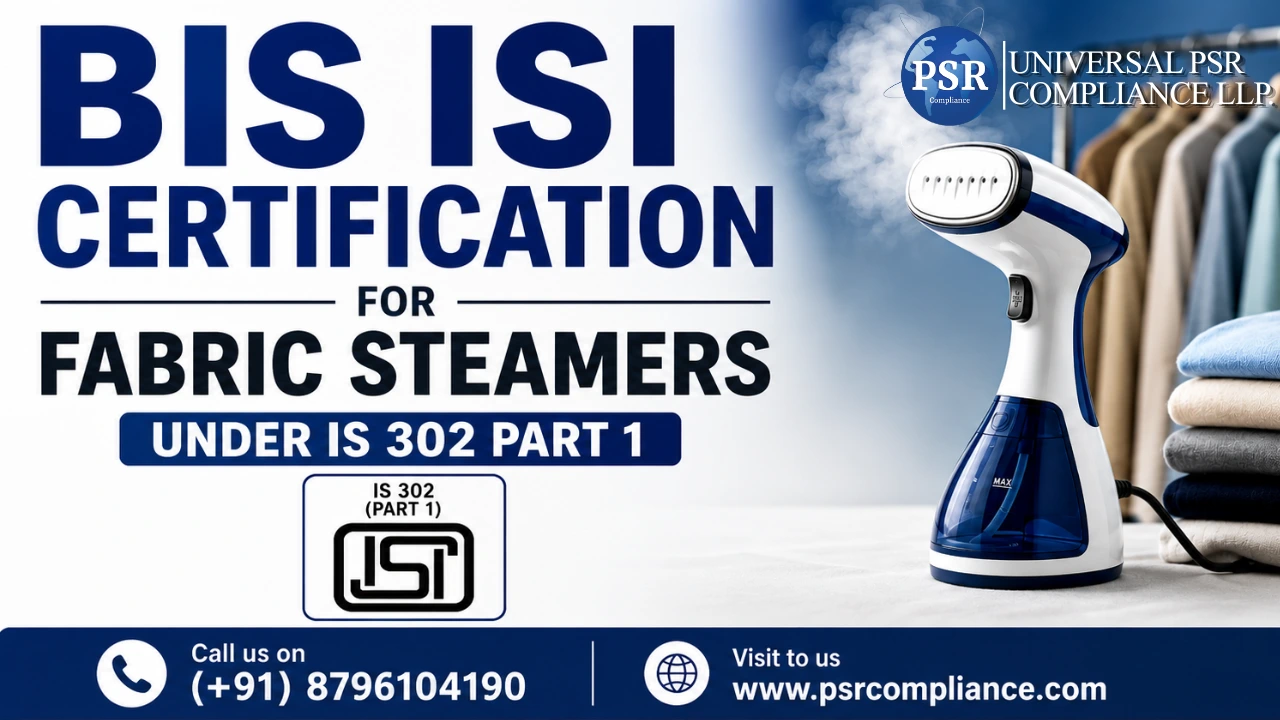
BIS ISI Certification for Fabric Steamers Under IS 302 Part 1
Fabric steamers have become popular in homes, boutiques, garment shops, hotels, laundries, fashion studios, tailoring units, apparel showrooms, and e-commerce fashion businesses. They are easy to use, quick, and useful for removing wrinkles without heavy ironing. But fabric steamers use electricity, water, and heat together. That makes safety very important.
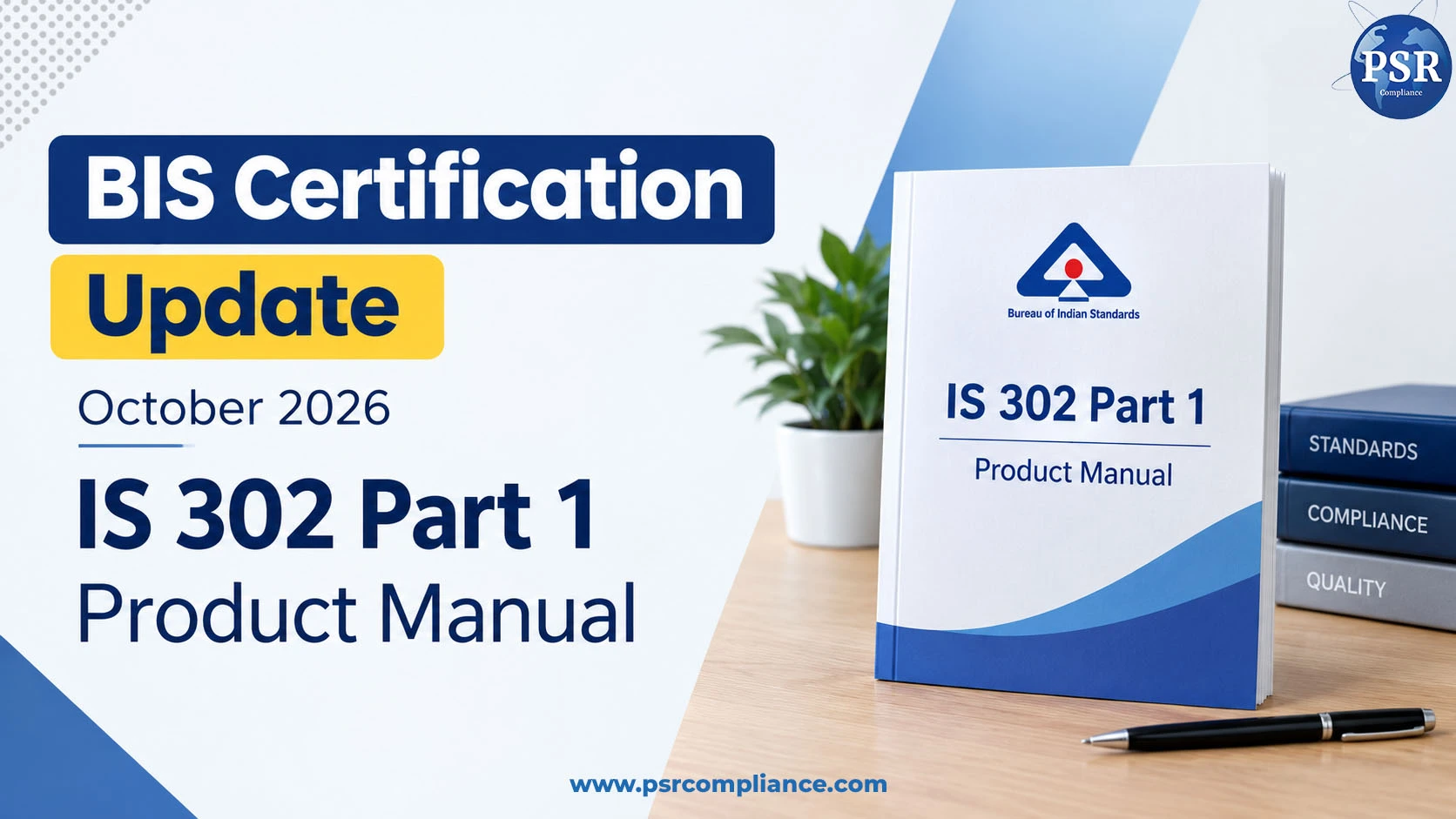
As per the supplied QCO document, fabric steamers are included in the listed household, commercial, and similar electrical appliances. Covered products must conform to IS 302 Part 1: 2024 and carry the BIS Standard Mark under a valid BIS licence. For general enterprises, the implementation date mentioned is 1 October 2026. Small enterprises and micro enterprises have later dates, but businesses should start early. If you manufacture, import, or sell fabric steamers in India, BIS ISI certification should not be treated as optional planning.
Why fabric steamers need BIS certification
A fabric steamer may look simple, but it has several safety-sensitive parts. It may include a heating element, water tank, steam nozzle, switch, cord, plug, thermostat, internal wiring, plastic body, insulation, and pressure or steam control system.
If the product is poorly designed, it can create risks such as :
• Electric shock
• Overheating
• Steam burns
• Water leakage
• Short circuit
• Poor insulation
• Unsafe cord or plug
• Plastic melting
• Heating element failure
• Fire risk
Because the user holds or stands close to the appliance, the risk is direct. In hotels, laundries, boutiques, and garment stores, fabric steamers may be used for long hours. This increases the importance of product safety. BIS ISI certification helps prove that the appliance has been checked under Indian safety requirements and that the manufacturer can maintain consistent production quality.
Who needs BIS certification for fabric steamers?
You should prepare for BIS certification if you are :
➤ An Indian manufacturer of fabric steamers
➤ A foreign manufacturer exporting fabric steamers to India
➤ An importer of garment care appliances
➤ A private-label home appliance brand
➤ A laundry equipment supplier
➤ A hotel housekeeping supplier
➤ A garment showroom supplier
➤ A fashion studio equipment seller
➤ A boutique equipment vendor
➤ An e-commerce seller
➤ A retail appliance distributor
➤ A corporate gifting supplier
Even if you do not manufacture the product yourself, your business can still be affected. If you sell under your brand, import the product, or distribute it in India, buyers may ask for BIS compliance proof.
Which sectors are affected?
Fabric steamers are used across many commercial and consumer sectors.
The affected sectors include :
- Home appliance manufacturing
- Garment care appliances
- Laundry and dry-cleaning equipment
- Hotel and hospitality supply
- Fashion retail
- Boutique and tailoring businesses
- Apparel showrooms
- E-commerce retail
- Import trading
- Consumer electronics distribution
- Corporate gifting
- Institutional housekeeping supply
This wide usage makes BIS compliance commercially important. A hotel may need steamers for housekeeping. A garment showroom may use steamers every day before displaying clothes. A laundry business may use multiple units. An e-commerce seller may sell thousands of units during festive sales. If certification is delayed, sales can be affected across all these channels.
Which related products should brands check?
Businesses selling fabric steamers may also sell other garment care and heating products. These should be reviewed separately.
Related products may include :
➜ Fabric steamers
➜ Electric irons, if covered under other applicable requirements
➜ Clothes dryers and towel rails
➜ Heating appliances for clothing
➜ Electric heating tools
➜ Personal care steam appliances
➜ Portable travel steamers
➜ Standing garment steamers
➜ Handheld fabric steamers
A brand should not assume that all garment care appliances follow the same certification path. Each product must be checked based on its construction, function, and applicable standard.
Why BIS certification helps business
BIS certification can improve business confidence in several ways. First, it supports legal sale after the applicable QCO date. Second, it builds trust because the appliance uses heat and steam close to the user.
Third, it helps online marketplaces and retail chains verify compliance. Fourth, it supports bulk sales to hotels, laundries, garment stores, and institutions. Fifth, it helps distributors avoid uncertified stock risk. A certified fabric steamer can be marketed as a safer and more reliable product. This matters because customers are often worried about burns, leakage, and product failure.
What can go wrong if brands wait?
Late BIS planning can create business problems.
Common risks include :
⚠ Testing delay
⚠ Sample failure
⚠ Heating element design issues
⚠ Water leakage issues
⚠ Label mismatch
⚠ Missing factory documents
⚠ Packaging rework
⚠ Import shipment delay
⚠ Online listing hold
⚠ Dealer order cancellation
⚠ Bulk buyer rejection
Many brands import fabric steamers in large quantities. If certification is not planned early, stock decisions can become risky near the implementation date. A product that looks ready for sale may still be blocked by compliance gaps.
Major Markets Where Fabric Steamers Are Widely Used
| City | Major User Segment |
|---|---|
| Delhi NCR | Garment markets and boutiques |
| Mumbai | Fashion industry and retail |
| Bengaluru | E-commerce and apparel startups |
| Chennai | Textile and garment manufacturing |
| Kolkata | Fashion retail and tailoring |
| Surat | Textile industry |
| Ludhiana | Apparel manufacturing |
| Jaipur | Boutique and designer wear |
| Noida | Export houses and fashion businesses |
| Gurugram | Corporate and retail sectors |
What documents are usually needed?
Businesses should prepare documents such as :
→ Company registration documents
→ Factory address proof
→ Product specification sheet
→ Model list
→ Electrical rating details
→ Brand or trademark documents
→ Manufacturing process flow
→ Quality control plan
→ Testing equipment list
→ Machinery details
→ Product label draft
→ User manual and safety instructions
→ Authorized signatory details
- Indian representative details for foreign manufacturers, if applicable
For fabric steamers, the user manual should be clear because incorrect use can cause burns or electrical risk. Labels should correctly mention rating details, model number, manufacturer information, and safety warnings.
How a BIS consultant helps
A BIS certification consultant helps businesses move through the certification process with fewer errors.
For fabric steamers, a consultant can help with :
✓ Product applicability checking
✓ Applicable standard confirmation
✓ Model grouping guidance
✓ Document preparation
✓ Application filing
✓ Testing coordination
✓ Factory inspection readiness
✓ Label and manual review
✓ BIS query handling
✓ Standard Mark guidance
✓ Renewal and compliance tracking
For importers, a consultant can also help coordinate with foreign factories and collect correct technical documents before the deadline pressure begins.
What should businesses do now?
The first step is to map the full product range. List all fabric steamers and garment care appliances you manufacture, import, or sell.
Then check :
- Which models are covered
- Which factory makes them
- Which brand name is used
- Whether labels are correct
- Whether documents are available
- Whether testing has started
- Whether certification planning has begun
Also review packaging. If packaging is printed before BIS marking requirements are clear, you may need rework later. Early planning saves money.
Final Word
Fabric steamers are useful, fast-selling appliances, but they also carry safety risks because they use electricity, water, and heat together. Under the QCO for household, commercial, and similar electrical appliances, fabric steamers are part of the BIS certification conversation. For manufacturers, importers, brand owners, distributors, and sellers, BIS ISI certification under IS 302 Part 1: 2024 can protect legal sale, customer trust, and business continuity.
The brands that prepare early will be ready for retail, online sales, hotels, laundries, and garment businesses. The brands that delay may face avoidable problems. If fabric steamers are part of your product range, start BIS certification planning now. Compliance is not only a rule. It is a practical step to keep your product safe, trusted, and ready for the Indian market.
Get Expert Help with BIS ISI Certification for Fabric Steamers
Need assistance with BIS ISI Certification under IS 302 (Part 1): 2024 for fabric steamers and garment care appliances? PSR Compliance provides complete end-to-end support—from documentation and application filing to testing coordination and final approval—ensuring a smooth and stress-free certification process.
👉 Avoid delays, product rejection, and compliance risks with expert guidance.
📞 8796104190
📧 support@psrcompliance.com
Frequently Asked Questions (FAQs)
Is BIS ISI certification mandatory for fabric steamers in India?
Yes. Fabric steamers covered under the applicable Quality Control Order (QCO) must comply with IS 302 Part 1: 2024 and obtain BIS ISI certification before they can be legally sold in India.
Which BIS standard applies to fabric steamers?
Fabric steamers are covered under IS 302 Part 1: 2024, which specifies safety requirements for household, commercial, and similar electrical appliances.
Who needs BIS certification for fabric steamers?
Indian manufacturers, foreign manufacturers, importers, private-label brands, distributors, retailers, and e-commerce sellers dealing in fabric steamers may need BIS certification to ensure compliance with Indian regulations.
What documents are required for BIS certification of fabric steamers?
Commonly required documents include company registration certificates, factory details, product specifications, model lists, electrical ratings, quality control documents, product labels, user manuals, and authorized signatory details.
What safety tests are conducted for fabric steamers?
Fabric steamers may undergo safety evaluations related to electrical insulation, protection against electric shock, heating performance, temperature rise, leakage current, mechanical strength, and overall product safety requirements under the applicable BIS standard.
Do imported fabric steamers require BIS certification?
Yes. Imported fabric steamers must meet BIS requirements and obtain the necessary certification before they can be legally imported, distributed, or sold in the Indian market.
What are the risks of selling fabric steamers without BIS certification?
Selling non-compliant products may lead to regulatory action, marketplace listing restrictions, procurement rejection, shipment delays, penalties, and difficulties in selling products after the mandatory implementation date.
Why should businesses start BIS certification planning early?
Early planning helps businesses complete testing, prepare documentation, review labels, coordinate with manufacturers, avoid compliance delays, and ensure uninterrupted sales before the QCO implementation deadline.