Fri, Mar 13 2026
Raju Karn
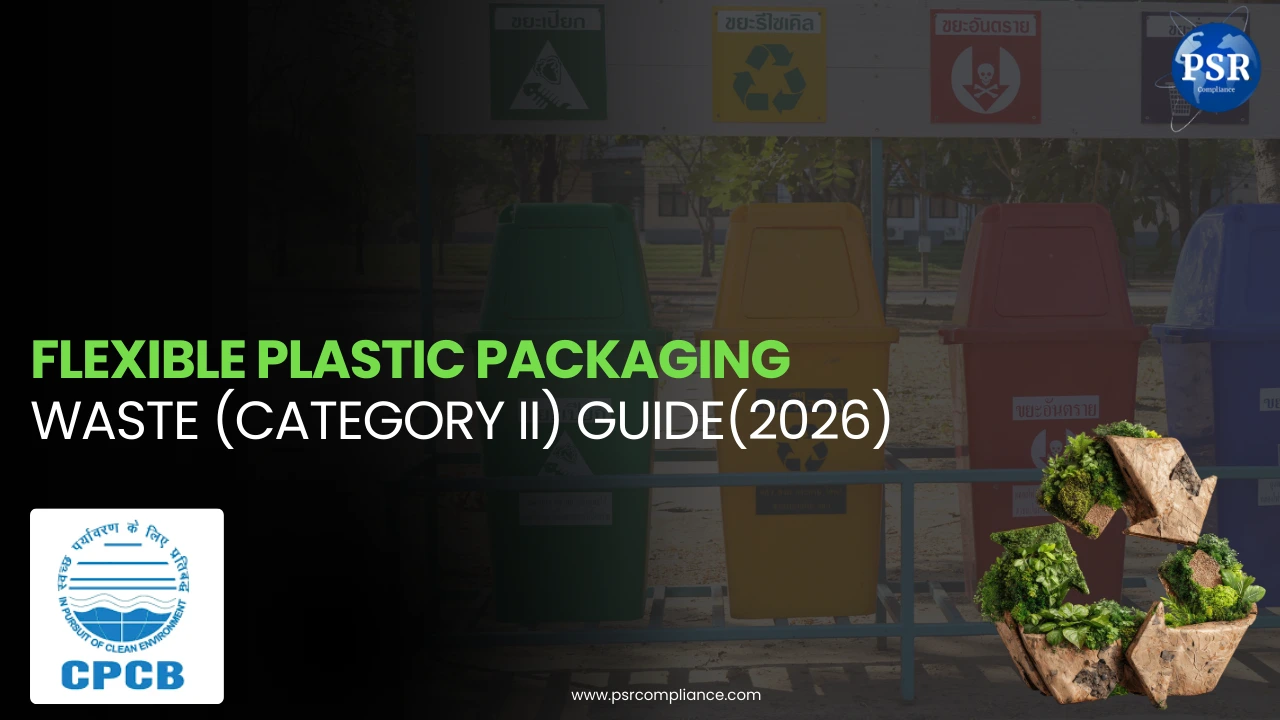
Flexible Plastic Packaging Waste (Category II): Management & Compliance 2026
Many businesses in India use flexible plastic packaging for products like snacks, milk packets, online delivery packaging, and shopping bags. These materials are lightweight and cheap, which is why they are widely used. However, once they are used and thrown away, managing this plastic waste becomes a big environmental challenge.
The Government of India has introduced rules under the Plastic Waste Management framework to ensure that companies take responsibility for the plastic they put into the market. Flexible plastic packaging falls under Category II plastic packaging, and businesses must follow specific EPR (Extended Producer Responsibility) compliance requirements. Understanding how Category II plastic waste is managed and what compliance steps are required in 2026 is important for manufacturers, importers, and brand owners.
What is Flexible Plastic Packaging (Category II)?
Flexible plastic packaging refers to plastic materials that are soft, thin, and flexible rather than rigid. These plastics can easily bend, fold, or stretch. Under the Plastic Waste Management Rules, flexible plastic packaging is categorized as Category II plastic packaging.
This category generally includes single-layer or multi-layer flexible plastic packaging that is commonly used in everyday consumer products.
Examples include:
● Snack food packets
● Shampoo sachets
● Milk pouches
● Plastic carry bags
● Food delivery packaging
● Flexible wrappers used in e-commerce shipments
These materials are used by thousands of businesses because they help keep products safe, lightweight, and easy to transport.
Why Flexible Plastic Waste is a Major Environmental Concern
Flexible plastic packaging generates a significant amount of waste in India. Unlike rigid plastics, flexible plastics are more difficult to collect, segregate, and recycle, which poses unique environmental challenges.
Some of the common challenges include:
- Thin and lightweight material: Flexible plastics are often very light, causing them to mix with other waste types and making separation difficult.
- Multi-layered composition: Many flexible packaging materials are made from multiple layers of plastic or combined with other materials, complicating the recycling process.
- Low recycling value: The economic value of flexible plastics is low, so many recycling companies avoid collecting them.
Due to these challenges, flexible plastic waste frequently ends up in landfills, open dumping sites, or water bodies, contributing to severe environmental pollution. Proper management, recycling, and compliance are essential to reduce this impact.
What is Extended Producer Responsibility (EPR)?
To control plastic pollution, the Government introduced the concept of Extended Producer Responsibility (EPR).
EPR means that companies producing or selling plastic packaging must also take responsibility for managing the waste created by that packaging.
This responsibility applies to:
➜ Producers who manufacture plastic packaging
➜ Importers bringing plastic packaged products into India
➜ Brand owners selling packaged goods
These businesses are collectively called PIBOs (Producers, Importers, and Brand Owners).
Under EPR rules, PIBOs must ensure that the plastic packaging they introduce into the market is properly collected and recycled.
Category II Plastic Packaging Under EPR Rules
Category II specifically refers to flexible plastic packaging materials commonly used for consumer products like pouches, sachets, and multi-layered wrappers. These materials fall under Extended Producer Responsibility (EPR) rules, which require producers and brand owners to take responsibility for their plastic waste.
Key requirements under the EPR rules for Category II plastics include:
▸ Tracking plastic usage: Companies must monitor and record the amount of flexible plastic packaging they introduce into the market each year.
▸ Waste collection and recycling: Based on the tracked quantity, businesses must ensure an equivalent amount of plastic waste is collected, processed, or recycled through authorized recyclers or waste management agencies.
▸ Active participation in pollution reduction: By complying with these rules, companies share the responsibility of reducing plastic pollution rather than leaving it entirely to municipalities or informal waste collectors.
Proper adherence to these EPR rules helps businesses stay compliant, improve sustainability credentials, and contribute to a circular economy for plastic packaging.
Businesses That Must Comply with Category II Plastic Waste Rules
Many businesses fall under the scope of Category II plastic packaging regulations and must comply with EPR rules to manage their plastic waste responsibly.
These include:

▪ Manufacturers producing flexible plastic packaging materials.
▪ Food and beverage companies using flexible packaging for their products.
▪ E-commerce businesses using plastic mailers, pouches, or packaging films.
▪ Importers bringing packaged goods into India.
▪ Brand owners selling products with flexible plastic packaging.
▪ Small businesses using any form of flexible plastic packaging, who must also determine if EPR compliance applies to them.
Registration Requirement for EPR Compliance
Businesses dealing with plastic packaging must register on the CPCB (Central Pollution Control Board) EPR portal.
This registration helps the government track how much plastic packaging is being introduced into the market and whether companies are fulfilling their waste management responsibilities.
During registration, businesses must provide details such as:
✔ Type of plastic packaging used
✔ Quantity of plastic introduced in the market
✔ Business category (producer, importer, or brand owner)
✔ Recycling or waste management arrangements
Once approved, businesses receive EPR registration which allows them to operate legally under plastic waste management regulations.
Step-by-Step Flexible Plastic Waste Management Process
Step 1: Estimate Plastic Usage
Businesses must calculate the total amount of flexible plastic packaging they produce, sell, or distribute each year. This helps determine the EPR obligations under CPCB rules.
Step 2: Partner with Authorized Recyclers
Companies should collaborate with CPCB-authorized plastic waste processors or recyclers to ensure proper handling of Category II waste.
Step 3: Collection of Waste
Recyclers collect flexible plastic waste from multiple sources, such as households, waste collection centers, and scrap dealers.
Step 4: Sorting and Processing
The collected plastic is sorted and processed using approved recycling methods or other authorized waste management processes.
Step 5: EPR Certificate Generation
After processing, recyclers issue EPR certificates that confirm the required amount of plastic waste has been collected and processed.
Step 6: Compliance Demonstration
Businesses use the EPR certificates to demonstrate compliance with Extended Producer Responsibility (EPR) regulations, helping them avoid penalties and maintain sustainability standards.
Challenges in Managing Flexible Plastic Packaging Waste
Although regulations exist, managing flexible plastic packaging waste faces several challenges that make compliance and recycling difficult.
Some of the major challenges include:
⚠️ Low recycling efficiency: Flexible plastics are thin and lightweight, so they are often overlooked during waste collection.
⚠️ Limited recycling infrastructure: Many regions lack proper facilities or authorized recyclers to process flexible plastic waste.
⚠️ Multi-layer packaging complexity: Laminated and multi-layer plastics are technically difficult to recycle, creating challenges for waste processors.
Despite these challenges, government policies and industry innovations are gradually improving the collection, recycling, and management of flexible plastic waste in India.
New Trends and Improvements in 2026
In 2026, businesses are seeing several advancements that make managing flexible plastic packaging waste more efficient and environmentally friendly. These trends are helping companies stay compliant while reducing their environmental footprint.
Key improvements include:
• Design for recycling: Companies are designing flexible packaging to make it easier to recycle at the end of its life cycle.
• Mono-material packaging: Many businesses are switching to single-material flexible packaging, which simplifies sorting and recycling.
• Advanced technology: AI-based sorting systems are being adopted to identify and separate different types of plastic materials more efficiently.
• Enhanced government monitoring: The EPR portal and strengthened monitoring systems help track compliance, prevent illegal disposal, and improve reporting for businesses.
These developments are gradually making flexible plastic waste management more sustainable, cost-effective, and easier to integrate into corporate sustainability programs.
Real Example of Flexible Plastic Waste Management
A Delhi-based snack manufacturing company, FreshBite Foods Pvt. Ltd., was selling packaged chips and namkeen products across different states in India. The company used flexible plastic packaging for its products but was not tracking how much plastic packaging it was introducing into the market each year. When the government strengthened the EPR rules for plastic packaging, the company realized that it needed proper compliance to avoid penalties and continue selling its products legally.
The company approached PSR Compliance for assistance. The team at PSR Compliance helped FreshBite Foods understand Category II plastic packaging requirements, complete the EPR registration on the CPCB portal, and connect with authorized plastic waste recyclers. With proper documentation and waste management arrangements in place, the company started receiving EPR certificates for the required quantity of recycled plastic. This helped FreshBite Foods remain compliant with plastic waste management rules while continuing its business without regulatory issues.
Need Help Managing Category II Flexible Plastic Packaging Waste?
Get expert assistance with segregation, recycling, and EPR compliance for your business. PSR Compliance handles the complete process—from documentation to reporting—so your company stays fully compliant with CPCB regulations.
📞 Call: +91-7065883416
📧 Email: support@psrcompliance.com
FAQs
What are examples of Category II Flexible Plastic?
Examples include plastic bags, sheets, flexible pouches, chip/snack bags, bread bags, pet food bags, and shrink wraps.
What are the EPR targets for Category II plastics?
PIBOs must meet minimum recycling targets: 30% (2024-25), 40% (2025-26), 50% (2026-27), and 60% (2027-28 onwards).
What are the compliance rules for Category II under EPR?
Entities must register on the CPCB portal and collect and recycle Category II plastics through registered recyclers, following category-specific rules.
What is the difference between Category II and Category III plastics?
Category II is entirely plastic (single or multi-layer), whereas Category III includes at least one non-plastic layer, like aluminum foil.
Why is Category II difficult to recycle?
Flexible plastics are lightweight, often contaminated with food residue, and difficult to separate from other waste streams.
Are there thickness restrictions for Category II plastics?
Yes, carry bags must be at least 120 microns, and plastic sheets must be at least 50 microns unless functionality is affected.